Complete Manual for Bed Bug Removal: Attain Permanent Results With Expert Advice
The "Ultimate Guide to Bed Bug Treatment" functions as an indispensable resource for occupants managing the difficulty of colonizations. It delineates identification strategies for early detection, reliable self-directed solutions, and critical protective safeguards. Learning when to enlist qualified professional help is similarly important. As the guide unfolds further, it exposes not only action strategies but also consistent protective protocols. The fine points of insect behavior characteristics and common false assumptions will be reviewed, enabling a more calculated perspective.
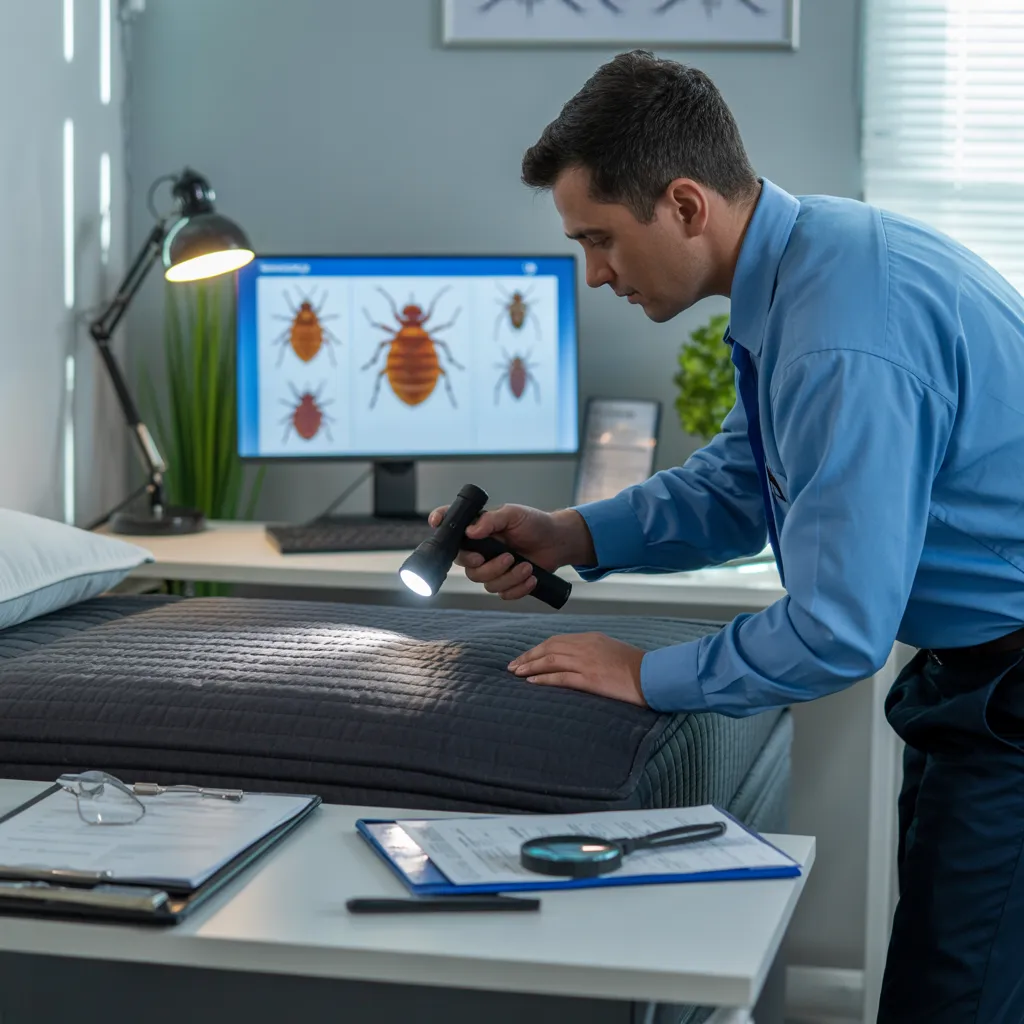
How to Recognize Bed Bug Invasions In Advance
How can someone spot bed bugs before they develop into a significant issue? Swift identification is critical in stopping a minor issue from escalating into a full infestation. Signs feature small brownish-red pests about the size of an apple seed, often nestling in cracks of mattresses, bed frames, and furniture. Additionally, dark stains on bedding or walls may signal bed bug feces. Regularly inspecting sleeping areas is essential; checking seams, folds, and any nearby clutter can discover hidden pests.
Another clue is the occurrence of shed exoskeletons, which bed bugs leave behind as they mature. Mysterious bites on the skin, often arranged in lines or clusters, may also suggest their presence. By being vigilant and proactive, people can detect potential infestations early, reducing the need for extensive treatments and ensuring a more pleasant living environment.
reliable DIY Bed Bug management techniques
When confronting bed bug outbreaks, several reliable DIY treatment solutions can be put into practice. Natural remedies, such as essential oils, offer a organic approach, while steam treatment furnish a high-temperature solution to eliminate pests. These methods can empower individuals to control bed bug issues without professional help.
Natural Approaches for Bed Bugs
Natural treatments for bed bugs offer a variety of reliable DIY treatment techniques that assist in fighting these resilient pests. A popular strategy is the use of diatomaceous earth, a natural powder that can damage the exoskeletons of bed bugs upon contact, leading to their dehydration. Another technique involves using essential oils, such as tea tree oil or lavender, known for their insect-repelling properties. Mixing these oils with water and applying them in infested areas can repel bed bugs. Furthermore, washing bedding and infested fabrics in hot water followed by complete drying can eliminate eggs and adult bugs. Regular vacuuming of sleeping areas and furniture also works to lower bed bug populations successfully, making natural remedies a effective choice for treatment.
Steam Treatment Techniques
While plant-based options deliver effective options for combating bed bugs, steam treatment techniques offer another formidable DIY method. These techniques employ intense heat vapor to penetrate surfaces where bed bugs hide away, effectively killing them on contact. A steam cleaner with a nozzle attachment is suitable for targeting infested areas, including mattresses, carpets, and furniture. The steam should reach at least 130°F (54°C) to guarantee effectiveness. It is important to move the nozzle carefully and methodically, allowing the heat to competently remove the pests. Additionally, steam treatment is substance-free, making it a harmless option for households with children and pets. Periodic application can help maintain a bed bug-free environment, complementing other treatment methods for best results.
Safety Tips for Treating Bed Bugs at Home
Proper bed bug elimination necessitates thorough attention to security to protect both inhabitants and their belongings. When utilizing chemical treatments, people must always copyrightine and comply with label instructions precisely to avoid harmful exposure. It is vital to circulate air through the treated areas sufficiently, ensuring that youngsters and animals are separated before, during, and after use. Donning protective gear, including gloves and masks, can reduce contact with potentially harmful substances.
Moreover, using heat treatments calls for caution; ensuring that temperature-vulnerable items are taken away from the area is vital. For steam treatments, operators should maintain a safe distance from surfaces to avert burns.
Finally, suitable elimination of infested materials, such as bedding or clothing, should be carried out in tight essential resource bags to avoid dispersing the infestation. By following these safety tips, residents can competently address bed bug treatment while safeguarding their health and environment.
Symptoms That Indicate You Require Expert Help for Bed Bugs
Residents may struggle with persistent bed bug troubles despite adhering to safety tips and initial treatment methods. Determining when to seek specialist assistance is critical for successful treatment. One main sign is the recurring presence of bites on exposed skin, especially after treatment attempts. If individuals discover live bugs or shed exoskeletons in their bedding or furniture, it demonstrates a more severe infestation.
Moreover, if DIY methods produce minimal outcomes after a few weeks, professional intervention may be necessary. A strong, musty odor in the home can also suggest a bigger issue, as it signals a significant population of bed bugs. Finally, if infestations extend to several areas or adjacent apartments, immediate professional assistance is essential to prevent further escalation. Overall, timely action can save residents from prolonged discomfort and major harm to their home.
Eliminating Prospective Bed Bug Issues
To successfully stop upcoming bed bug problems, staying alert and taking preventive steps is crucial. Frequent checks of sleeping areas, furniture, and luggage can help detect initial indicators of bed bugs before they turn into a major issue. Utilizing protective encasements on mattresses and box springs can establish a shield that deters these pests.
Moreover, cutting down clutter in living quarters minimizes potential hiding spots. When on the road, it is suggested to review hotel rooms and keep luggage elevated. Laundering bedding and clothing on high heat can also eliminate any potential hitchhikers.
To conclude, instructing household members regarding bedbug prevention knowledge can be crucial; comprehending how these pests spread empowers everyone to adopt appropriate precautions. By establishing a forward-thinking strategy and promoting an environment of vigilance, the chance of ongoing pest problems can be substantially reduced.
Dispelling Popular Bed Bug Misconceptions: What You Need to Know
Confusion about bed bugs can hamper effective avoidance and treatment efforts. A prevalent misbelief is that these creatures infest only filthy homes; however, they can flourish in any place, no matter the tidiness. Another misconception claims that these insects transmit diseases, which is untrue; although they may cause discomfort and anxiety, they are not known to spread diseases. Furthermore, many assume that extreme temperatures alone can eliminate bed bugs. While thermal procedures can be successful, it requires precise execution to guarantee complete eradication of all life stages. Some also believe that homemade remedies, such as essential oils, are adequate for treatment. Nevertheless, professional pest control services are typically required for thorough eradication. Lastly, it is a wrong assumption that bed bugs are only located in beds; in fact, they can hide in many areas, including furniture, clothing, and luggage. Recognizing these myths is crucial for effective management of bed bug infestations.
Learning What Occurs During Your Bed Bug Service
What could one expect during a bed bug treatment? Initially, a thorough copyrightination of the infested space is conducted by a professional exterminator. This assessment helps establish the scope of the problem and the most effective eradication methods. Residents may be advised to prepare their space by organizing, washing linens, and cleaning rugs.
During the process, several approaches such as heat treatment, chemical sprays, or a mixture may be deployed. It's crucial for tenants to leave the premises for safety and optimal results.
Upon service, a follow-up inspection is commonly scheduled to validate all bed bugs have been exterminated. Homeowners should maintain vigilance, as some eggs may mature post-service. Regular surveillance and protection methods are important for prolonged effectiveness. Overall, determination and partnership with the pest control team are crucial for achieving sustained victories in the war against bed bugs.
Common Questions Asked Often
Are Bed Bugs Able to persist in Extreme Temperatures?
Bed bugs cannot easily survive in extreme temperatures. Prolonged exposure to temperatures above 120°F (49°C) for at least 90 minutes can eradicate them, while freezing temperatures below 0°F (-18°C) can also eliminate them, given sufficient exposure time.
Can Bed Bugs Transfer Diseases to People?
Bed bugs do not transmit diseases to humans. However, their bites can cause discomfort, allergic reactions, and secondary infections due to scratching. Awareness and prompt treatment are essential for controlling infestations and related symptoms.
How Much Time Can Bed Bugs Remain Alive Without Feeding?
Bed bugs can last without feeding for several months, typically lasting between two to six months under perfect conditions. Their resilience allows them to endure lengthy durations without a host, complicating extermination efforts.
Do bed bugs have a preference for specific colors?
Bed bugs are primarily attracted to warmth and carbon dioxide rather than specific colors. However, some studies indicate they may favor darker tones, potentially because these colors can replicate the shelter areas they usually prefer.
Do animals transport Bed Bugs Into Your Home?
Your pets can inadvertently carry bed bugs into the home, as these pests may attach to their fur or belongings. Consistent grooming and inspection can help reduce the risk of introducing bed bugs through pets.